Best Atrial Fibrillation Treatment In Hyderabad
#Best Cardiologist Doctor in Hyderabad
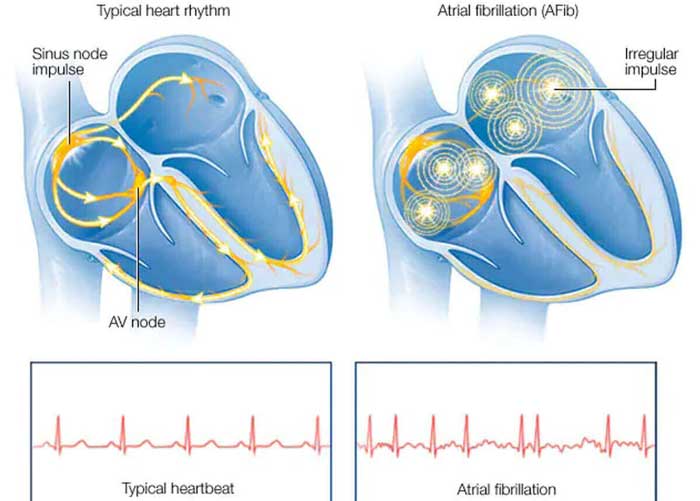
Atrial Fibrillation or Afib is a heart condition that leads to irregular & often very fast heart rhythm causing blood clots in the heart. In Afib, the atria or the upper chambers are out of sync with the ventricles or the lower chambers.
In most cases, people experienc
e Afib as episodes that come & go. In some cases, it may be persistent. While it is not a life threatening condition, it can cause complications by increasing the risk of stroke & heart failure.
Types of Atrial Fibrillation
There are three types of Afib:
Paroxysmal Afib: This lasts for a little less than a week & often stops on its own without the need for any intervention.
Persistent Afib: This lasts for more than a week & requires treatment.
Longstanding persistent Afib: This type of Afib can last for over a year & may be difficult to treat.
Afib is becoming more common among older adults and being called the “new cardiovascular epidemic of 21st century”.
What are the symptoms of Afib?
In some cases, there are no symptoms at all. But when symptoms do occur, these may include:
Chest discomfort or pain
Low BP
Lightheadedness
Uneasiness
Palpitations
Fatigue
Breathlessness
What causes atrial fibrillation?
Afib can happen to anyone irrespective of age. However it is more commonly seen in older adults. Other factors that can increase one’s risk of developing atrial fibrillation include:
Chronic Hypertension
Pulmonary embolism or blood clot in the artery that supplies blood to the lungs
Heart conditions like heart valve disease, heart failure, coronary artery disease & heart attack
Alcohol consumption
Family history
Sleep Apnea
Other medical conditions like diabetes, thyroid disorders, asthma & obesity
What are the complications of Afib?
Afib can lead to other life threatening conditions
Blood clots
Stroke
Cognitive problems
Heart failure
How is Afib treated?
Treatment for atrial fibrillation depends on an individual’s
Age
Lifestyle
Heart health
Overall health condition
Dr Sudheer Koganti is a senior consultant Interventional cardiologist with experience of over 20 years. He has successfully treated over 10000 patients with different types of heart ailments.
In some cases, medications may suffice, in others certain procedures may be necessary. Medications may be prescribed for the following:
Control heart rate: Beta blockers, calcium channel blockers, digoxin
Prevent clots: anticoagulant medications or blood thinners
Normalize heart rhythm: sodium channel blockers and potassium channel blockers
The procedures recommended for treating Afib include:
Electrical Cardioversion: This involves delivering synchronised electric shock to the heart to reset irregular heartbeat to a regular rhythm.
Catheter Ablation: This involved destroying the tissue that causes irregular rhythm in the heart.
Pacemaker placement: The pacemaker instructs the heart to beat regularly.
Lifestyle adjustments such as prioritising a heart healthy diet, limiting alcohol intake, quitting smoking, maintaining ideal body weight & getting regular physical activity can help prevent this condition.
Dr Sudheer offers the best treatment for atrial fibrillation. For Consultation, book an appointment now.
FAQs
Atrial fibrillation (AFib) is an irregular and often rapid heartbeat that can increase the risk of stroke and heart failure. It disrupts normal blood flow and may cause palpitations, fatigue, or breathlessness. Early diagnosis and proper management help reduce complications and improve quality of life.
Common symptoms include irregular heartbeat, palpitations, shortness of breath, fatigue, dizziness, or chest discomfort. Some people may not notice symptoms at all. If you experience these signs, especially frequently, it’s important to consult a cardiologist for evaluation.
Atrial fibrillation is usually diagnosed using tests like ECG, Holter monitoring, or echocardiography. These help detect irregular heart rhythms and assess heart function. Many advanced cardiac centers in Hyderabad offer these diagnostic services for accurate evaluation.
Treatment depends on the severity and may include medications to control heart rate or rhythm, blood thinners to prevent stroke, or procedures like cardioversion and catheter ablation. A cardiologist will recommend the best option based on your condition and risk factors.
Look for a cardiologist with experience in managing arrhythmias and access to advanced diagnostic and treatment facilities. Checking patient feedback and hospital infrastructure can also help. A consultation can guide you on the most suitable treatment approach.
Atrial fibrillation may not always be permanently cured, but it can be effectively managed with the right treatment plan. Lifestyle changes, medications, and regular follow-ups help control symptoms and reduce risks, allowing most patients to lead a normal life.