Hypertrophic Cardiomyopathy Treatment In Hyderabad
#Best Heart Failure Doctors in Hyderabad
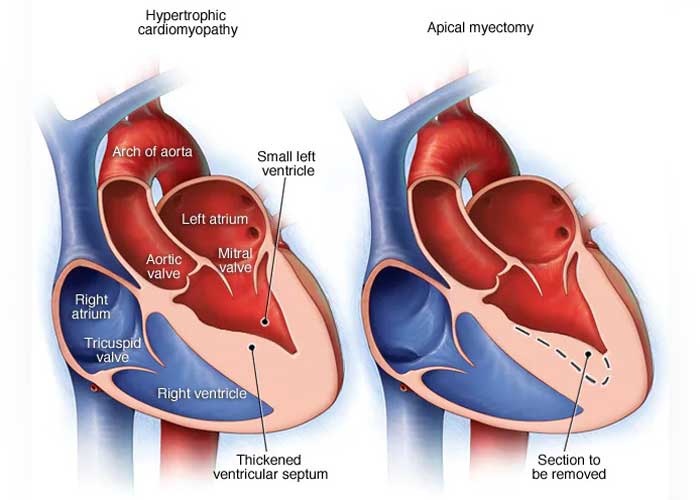
Hypertrophic Cardiomyopathy (HCM) is a heart condition that causes the heart muscle to thicken or enlarge, making it difficult for the heart to pump blood. This condition causes thickening and stiffness of the ventricles, mitral valve changes & cellular changes.
Generally this condition develops during teenage years, but can start at any age.
HCM is often caused by changes in the genes that make the heart muscle thicken.
Apart from genetic factors, age & high blood pressure can also lead to hypertrophic cardiomyopathy. In some cases, the cause remains unknown.
What are the Signs & Symptoms of HCM?
Patients with HCM may exhibit a range of symptoms or none at all. Common symptoms noticed in HCM are:
Pain or discomfort in the chest
Difficulty breathing
Passing out
Palpitations
Abnormal heartbeat or arrhythmias
Inflammation in the lower body or in the veins of the neck
What are the complications?
Most people with HCM lead normal lives & do not have any complications. They may not even need any treatment other than not straining themselves through intense exercise.
But in some cases, patients with HCM tend to develop heart conditions that may impact their quality of life. These include:
Heart Failure
Heart failure means that your heart is unable to do its job (of pumping blood) effectively. Heart failure may present as the following symptoms:
Breathlessness
Fatigue
Need to urinate while resting
Difficulty concentrating
Dizziness or fainting spells
Dry cough
Bloated or upset stomach
Blocked Blood Flow
Thickened heart muscle blocks the blood flow leading to shortness of breath, dizziness & even fainting.
Mitral Valve Disease
When the blood flow gets blocked, the valve between the left atrium & left ventricle might not close properly. This can result in mitral valve regurgitation.
Sudden Cardiac arrest
This refers to sudden loss of heart function caused by abnormally fast heartbeat (also known as ventricular tachycardia). This is may require CPR or defibrillation. If the patient, at this point, does not get the treatment, sudden cardiac death can occur.
The chances of patients with HCM having a sudden cardiac death are very low. However, HCM is known to be the most common cause of sudden cardiac death in individuals under the age of 35. HCM is also known for its role in cardiac arrest in young athletes.
How is it diagnosed?
To reach a diagnosis your doctor would ask you about your symptoms, family & personal medical history. He or she may also perform a physical exam and recommend a few tests such as:
Echocardiogram
Electrocardiogram
Cardiac MRI
Stress Test
How is it treated?
In treating HCM, your cardiologist’s aim would be to relieve symptoms & prevent sudden cardiac death in individuals with high risk. Treatment may involve:
Medications
Implantable cardioverter defibrillator
Septal Myectomy
Septal Ablation
How to improve quality of life with HCM?
Limit fluid & sodium intake
Exercise with care
Follow up regularly with your doctor
Lower your risk of infection
Dr Sudheer Koganti is the best cardiologist in Hyderabad & offers the best treatment for hypertrophic cardiomyopathy.
FAQs
Hypertrophic cardiomyopathy is a condition where the heart muscle becomes abnormally thick, making it harder for the heart to pump blood. It can affect people of any age and is often genetic, requiring regular monitoring and evaluation.
Symptoms may include chest pain, shortness of breath, fatigue, dizziness or fainting, especially during physical activity. Some people may not notice symptoms initially, which is why screening is important if there is a family history.
HCM is diagnosed using tests like echocardiogram, ECG and sometimes cardiac MRI. These tests help assess heart muscle thickness and function. Cardiology centers in areas like Nanakramguda and Financial District offer these diagnostic services.
Treatment depends on symptoms and severity and may include medications, lifestyle changes and in some cases procedures or implantable devices. The goal is to improve blood flow, control symptoms and reduce the risk of complications.
HCM can be serious if not monitored, as it may lead to arrhythmias or other complications. However, with proper diagnosis, regular follow-ups and treatment, many people can manage the condition and lead normal lives.
You should consult a cardiologist if you experience symptoms like chest pain, fainting or breathlessness, or if there is a family history of HCM. Early evaluation helps in timely management and reduces the risk of complications.