Best Diagnosis, and Treatment of Arrhythmias In Hyderabad
#Famous Cardiologist in Hyderabad
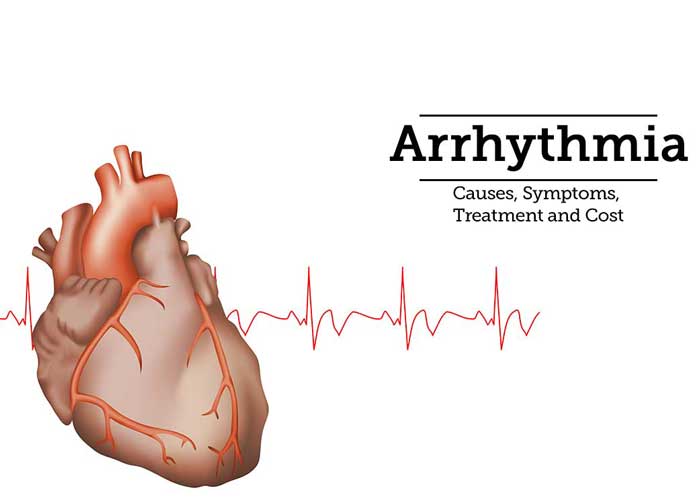
Arrhythmia is a heart condition that impacts the rhythm of the heart or the rate at which it beats. It occurs when there’s a malfunctioning in the electrical impulses which regulate the heartbeats. This can cause:
Atherosclerosis refers to the buildup of plaque (which consists of cholesterol, calcium, waste products, fatty substances & fibrin) inside the arteries. Atherosclerosis is the main cause of coronary artery disease.
Tachycardia ( when the heart beats too fast)
Bradycardia ( when the heart beats too slow)
Has family history of heart disease
Premature contraction ( when the heart has an extra beat )
Fibrillation ( when the heart beats too erratically)
Apart from these, arrhythmias are also categorised based on where they begin. Ventricular arrhythmia begins in the ventricles & supra ventricular arrhythmia begins above the ventricles.
What are the signs of an arrhythmia?
In most cases, there are no symptoms of an arrhythmia. However, when they do appear, signs may include:
Feeling of heart skipping a beat
Fluttering feeling in the neck or chest
Rapid heartbeat
Irregular or slow heartbeat
There may also be some serious symptoms such as:
Chest pain
Difficulty breathing
Irregular Pulse
Weakness
Dizziness
Fainting
Fatigue
Sweating
Heart palpitations
Low blood pressure
What causes an arrhythmias?
Arrhythmia can be a result of medical, physical, emotional or genetic factors. In some cases, the cause may remain unknown. Common factors that may lead to arrhythmia are:
Lifestyle Factors:
Smoking
Drinking Alcohol
Severe stress, anger or anxiety
Medical Conditions:
High Blood pressure
Dehydration
Thyroid disorder
Diabetes
Sleep Apnea
Electrolyte imbalances
Certain Medications related to:
High Blood Pressure
Depression
Allergies
Cold
How is an arrhythmia diagnosed?
There are various screening tests to help diagnose arrhythmia. Most of these tests also help identify the cause behind the irregular heartbeat.
When you consult a cardiologist with your symptoms, he or she is likely to first understand your family & personal medical history followed by a physical examination. The doctor would then recommend some of the following tests for a diagnosis.
Stress Test: This test can help monitor the heartbeat while the patient exercises to check if exercise results in arrhythmia.
Sleep Study: This can help identify if sleep apnea is the source of the patient’s arrhythmia.
Tilt Table Test: This is used if the patient has fainted due to arrhythmia in the past. This will help the doctor assess your heart rate & BP as the patient lies on a table that’s tilted between different positions.
Electrophysiological Testing: Thin electrode catheters are inserted into different areas of the heart to check the electrical signals.
Blood Tests: The doctor may also recommend blood tests to check the levels of magnesium, calcium & thyroid.
ECG: Electrocardiogram is used to measure the heart’s electrical activity. ECG may be taken when the patient is resting or while exercising on treadmill.
Heart Monitors: Arrhythmias are irregular & are often not likely to occur while you are at your doctor’s office. Hence, your cardiologist may recommend a heart monitor at home to diagnose the condition.
What are the treatment options for arrhythmias?
Before deciding on your treatment plan, your doctor will evaluate whether or not your arrhythmia is likely to cause more serious symptoms. Dr Sudheer Koganti offers the best treatment for arrhythmia. With over 15 years of experience as an Interventional Cardiologist, Dr Sudheer Koganti has successfully treated over 10,000 patients with different heart ailments.
To lower your risk of complications, your doctor is likely to recommend
Exercise
Maintain healthy & nutritious diet
Manage your blood pressure levels
Manage your cholesterol levels
In cases where patients experience fast heart rate & no other symptoms, your cardiologist may recommend vagal manoeuvres which will prompt the vagus nerve to slow your heart rate.
Vagal Manoeuvres include:
Soaking face with cold water
Coughing
Gagging
Holding breath while straining
Apart from these, your doctor may suggest medications to help manage arrhythmia & to prevent heart attack & other complications. Common Medication types include:
Calcium Channel Blockers
Beta Blockers
Antiarrhythmic Drugs
Anticoagulants
In some cases where medications also do not work, a procedure may be required to treat arrhythmia:
Catheter Ablation
Pacemaker
Implantable Cardioverter Defibrilator
Consult Dr. Sudheer Koganti, the best cardiologist in Hyderabad, for the correct diagnosis & best treatment for arrhythmia.
FAQs
Arrhythmias are conditions where the heart beats too fast, too slow or irregularly. They occur due to problems in the heart’s electrical system and can range from harmless to serious, depending on the type and severity.
Common symptoms include palpitations, dizziness, shortness of breath, chest discomfort and fatigue. In some cases, people may experience fainting or no symptoms at all, which is why timely evaluation is important.
Arrhythmias can be caused by heart disease, high blood pressure, electrolyte imbalances, stress, smoking or excessive caffeine intake. Certain medications and underlying conditions can also affect the heart’s electrical signals.
Diagnosis usually involves tests like ECG, Holter monitoring, echocardiogram or electrophysiology studies. Cardiology centers in areas like Nanakramguda and the Financial District offer these diagnostic services for accurate assessment.
Treatment depends on the type of arrhythmia and may include medications, lifestyle changes, catheter ablation or devices like pacemakers. The aim is to restore a normal heart rhythm and prevent complications.
You should consult a cardiologist if you notice persistent palpitations, dizziness, fainting or chest discomfort. Early diagnosis and treatment can help prevent serious complications and improve heart health.