
Dr. Sudheer Koganti is one the Best Doctor for TAVI/TAVR in Hyderabad
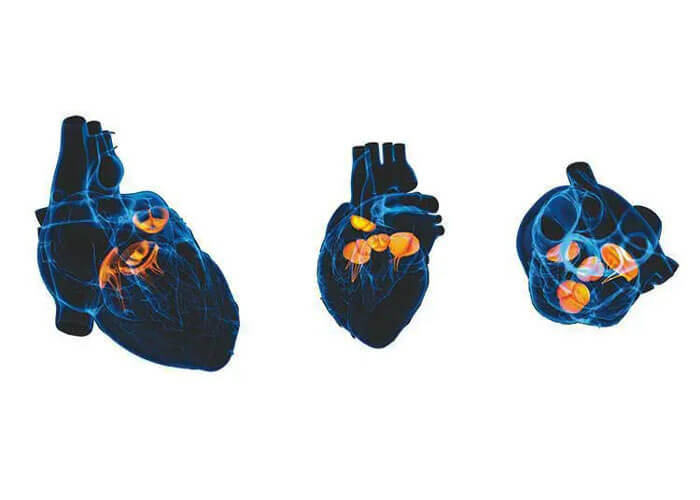
The best doctor for TAVI/TAVR in Hyderabad is Dr. Sudheer Koganti. He has successfully conducted thousands of heart disease surgeries. Dr. Sudheer Koganti has done complex aortic surgeries, bypasses, open heart surgeries, and many more.
Transcatheter aortic valve replacement (TAVR) is a procedure in which doctors use a man-made valve to replace a damaged aortic valve. This surgery is also referred to as open-heart surgery. Aortic valves manage blood flow in our hearts; therefore, if the valve becomes stiff, you have a condition known as aortic stenosis. If blood flow through the valve becomes uncontrollable, you may have heart failure. Dr. Sudheer Koganti is the best doctor for TAVI/TAVR in Hyderabad as well as a heart valve expert. TAVR involves surgeons inserting a blood vessel in your leg to deliver and install an artificial valve in your heart. TAVI (transcatheter aortic valve implantation) is another name for TAVR (transcatheter aortic valve replacement).
If you have symptoms of heart failure due to aortic valve stenosis, you may require TAVR. It also raises the possibility of typical open-heart aortic valve replacement surgery due to factors such as advancing age, heart condition, stroke history, illness of the liver, kidney failure, diabetes, and previous radiation treatment for lung cancer.
The most common TAVR risks are bleeding, heart attack, failure of the kidneys, replacement valve leakage, heart failure, stroke caused by a decrease in blood flow to the brain, and damaged blood vessels. Other hazards of TAVR may exist, depending on your medical condition. So, before you undergo the TAVR treatment, make sure to discuss everything with your best doctor for TAVI/TAVR in Hyderabad.
Before surgery, be sure to discuss your health with your doctors so that your medical and surgical teams may assess your entire health. This may involve x-rays, CT scans, blood tests, MRIs, or any other testing in this process. You may need to do the following for this treatment:
Inform your doctor or health care provider about the type of medication you are taking, as well as any other medications you are taking. Stop taking any medications that your doctor has forbidden you to use. Quit smoking and any other alcohol consumption. Before surgery, avoid eating and drinking, especially after midnight.
Before undergoing TAVR, you must complete the following tasks: Remove any jewellery you are wearing during TAVR, as well as any other object that may interfere with the operation. You must empty your bladder before to the surgery. Remove your clothes and put on the gown that was supplied to you. During the process, your medical team analyses your blood pressure, blood sugar level, heart function, and heart rhythm and manages any therapy you require. Once the new valve is properly fixed, your surgeon will replace the old one. Following this surgery, the best doctor for TAVI/TAVR in Hyderabad will collect measurements and photos to determine whether or not your valve is functioning appropriately.
After this procedure, your health will be monitored by the medical team, and you may spend some nights in the hospital recovering. If you experience any symptoms or signs after TAVR, you will need to see a doctor on a frequent basis. For recuperation, you may need to take a variety of drugs and follow specific recommendations. Here are some guidelines for recovery:
Take as many walks as you can. Quit smoking and drinking. Take the correct medications. If you experience any type of pain, swelling, or bleeding, contact your best doctor for TAVI/TAVR in Hyderabad as soon as possible. Consume nutritious foods that are good for your health and your heart.
Consult with the best doctor for TAVI/TAVR in Hyderabad today.
FAQs
The right doctor is a cardiologist experienced in structural heart procedures. Look for expertise in valve replacement techniques, access to advanced facilities and a strong track record in managing aortic stenosis.
TAVI/TAVR is a minimally invasive procedure to replace a damaged aortic valve. It is usually recommended for patients with severe aortic stenosis who are not ideal candidates for open-heart surgery.
You may be considered if you have symptoms like breathlessness, chest pain or fatigue due to valve disease. Doctors also evaluate age, overall health and surgical risk before recommending the procedure.
Doctors typically recommend tests like echocardiogram, CT scan and blood tests. These help assess heart function, valve condition and overall suitability for the procedure.
Possible risks include bleeding, stroke, valve leakage or heart rhythm issues. However, careful evaluation and experienced care can help minimize these risks.
Recovery is usually faster compared to open-heart surgery. Most patients resume daily activities within a few weeks with proper follow-up, medication and lifestyle care.
Read Latest Blogs

Heart failure in women

Lifestyle changes to improve heart failure prognosis

Managing fluid retention in heart failure

Link between sleep apnea and heart failure
Best Doctor for TAVI/TAVR in Hyderabad