
Do You Need Complete Rest After TAVI Surgery?
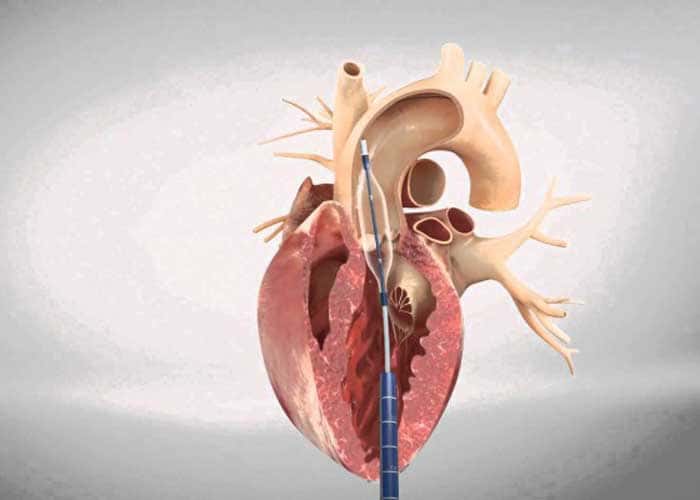
TAVI or Transcatheter Aortic Valve Implantation, is a heart procedure performed to replace a damaged aortic valve without doing open heart surgery. It is also called TAVR (Transcatheter Aortic Valve Replacement). This procedure is done mostly in older people or to those who cannot go through major heart surgery.
After TAVI, one of the most common questions asked by patients is:
“Do I need complete rest after this procedure?”
The short answer is "No", you do not need complete bed rest for a long time, but you do need to be careful till your recovery for a few days or weeks, depending on your health and how your body heals.
Let’s understand this in detail.
What Happens During TAVI?
TAVI involves inserting a thin tube called catheter through a small cut usually in the groin. Sometimes it can also be inserted in the chest area or neck. This tube carries the new valve to the heart replacing the old, damaged aortic valve. The recovery would be faster compared to the traditional open heart surgery because, this procedure does not involve cutting the chest open. Most of the patients can go home in just few days after the procedure.
The First Few Days After TAVI
After the procedure, you will be shifted to ICU or recovery room for observation. The medical team will monitor your:
- Heart rhythm
- Blood pressure
- Breathing
- Catheter site to check if it is bleeding or swelling
In general, patients stay in the hospital for 3 to 5 days, depending on their condition.
During this period:
- You might need to spend a few hours in bed following the removal of the catheter.
- Under the guidance of nurses, you will be required to sit, move carefully, and even walk.
- To prevent blood clots and enhance blood circulation, you will be required to take short walks throughout the hospital.
Therefore, you won't be completely bedridden even in the hospital. You must move cautiously and under supervision.
Do You Need Complete Rest After Going Home?
No, after TAVI, complete bed rest is not necessary. In reality, prolonged bed rest can slow down healing and raise the possibility of issues like:
- Lung infections and blood clots
- Weakness of the muscles
But during the first few weeks, you should avoid overdoing everything and need to relax.
Let’s break this down into simple stages.
Week 1: Rest and Gentle Movement
During the first, your body is still healing. You may feel:
- Mild tiredness
- Weakness
- Chest soreness or discomfort in your groins
- Slight swelling around the leg where the catheter was inserted
At this stage
- You have to nap whenever you feel tired. Your body needs to heal
- Avoid heavy activities. Don’t lift anything heavier than 2–3 kg. Avoid pushing, pulling or climbing stairs too fast
- Take short walks, preferably indoors for at least few times a day. Walk slowly. This helps to improve the blood flow
- Must intake fruits, vegetables, whole grains and avoid salt or fried food
- You should always Watch for signs of infection like redness, swelling or discharge near the wounded area. It must be maintained clean and dry
After the first week
Most of the patients feel better and strong. However, you still need to take rest.
- Slowly increase you walking time. Start with 5 to 10 minutes twice a day.
- Avoid driving unless your doctor says it’s okay. Allow your wound to heal completely.
- Take your medicines as prescribed.
- You'll be taking blood thinners to control your heart rate or blood pressure. Take these as per doctor's advice.
- Check your weight regularly and check if there is any swelling. Sudden weight gain, leg swelling or if you feel uncomfortable while breathing, indicates fluid buildup in your body and if these symptoms show up, you must inform your doctor immediately.
After 1 Month: Back to Normal Life (With Care)
By 4-6 weeks, many patients can resume their regular routine. walking, light household work, and even mild exercise can be done. However, recovery speed differs from person to person.
If your doctor agrees, you can:
- Start cardiac rehabilitation , a supervised exercise and recovery program.
- Resume gentle yoga or stretching.
- Drive short distances.
- Return to work if your job is not physically demanding.
But it’s essential to still listen to your body. If you’re tired, dizzy or short of breath, stop and rest. Healing takes time.
When Should You Slow Down and Take More Rest?
You may need more rest if you have:
- Fatigue
- Dizziness or fainting
- Chest pain
- Swelling in legs or ankles
- Irregular heartbeat
- Fever or signs of infection
These are warning signs that your heart or body is under stress. Contact your doctor immediately if you notice any of these.
Why Rest Alone Is Not Enough?
Here many people believe after heart surgery in resting will cure everything. But in fact, movement and rehabilitation are equally critical.
Here’s why:
- Light exercise strengthens your heart
- It teaches your new valve to function properly and helps keep movement from becoming stiff in your muscles and joints
- Movement improves blood circulation
- This reduces the chance of blood clots and increases oxygen delivery
- Staying active lifts your mood
- Some people feel nervous or down. Gentle activity releases “feel-good” hormones
- It is confidence inducing
Slow and steady gets you back on your feet and to a normal life more quickly.
So, although rest is needed, weeks of bed rest isn’t best. The trick is proportionate recovery, sleep when you must, move when you can.
Follow-up Visits Are Important
You will have several follow up visits after TAVI. During these visits, doctors will:
- Check your heart function
- Monitor your blood pressure and rhythm
- Adjust your medicines if needed
- Take echocardiograms to see how the new valve is working
Never skip these appointments. They help catch any early problems and ensure that your new valve is working well.
Emotional Recovery Matters Too
Physical restoration is only one piece of rehabilitation. A lot of patients experience roller coaster emotions post TAVI anxiety, fear or they feel depressed. This is completely normal.
Speak to your family, friends or a counsellor: Heart health is also linked to emotional well-being. Belonging to a cardiac support group can also be of assistance, keeping others informed about your own journey makes recovery easier, too.
The Bottom Line
Too much inactivity can slow you down, too much activity can strain your heart. But the perfect care makes you heal faster, live better.
FAQs
No, complete bed rest is not required after TAVI surgery. Light movement is encouraged to improve blood flow and prevent complications. However, patients should avoid heavy activities and follow a gradual recovery plan as advised by their cardiologist.
Most patients recover within 4 to 6 weeks after TAVI. Initial recovery happens in a few days, but full strength returns gradually. Recovery time may vary based on age, overall health and how well post-procedure care is followed.
After TAVI, avoid heavy lifting, strenuous exercise and sudden movements for a few weeks. Activities like driving or climbing stairs quickly should be limited initially. Gradual return to normal activities is recommended under medical guidance.
Walking usually starts within a day or two after TAVI under supervision. Short, slow walks help improve circulation and speed up recovery. Over time, walking duration can be increased based on comfort and doctor’s advice.
Warning signs include chest pain, breathlessness, dizziness, swelling in legs or irregular heartbeat. Fever or redness near the catheter site may indicate infection. Immediate medical attention is needed if any of these symptoms appear.
Movement helps improve blood circulation, prevents clots and strengthens the heart after TAVI. Staying active also supports faster recovery and reduces complications, while complete inactivity can slow healing and weaken muscles.
Read Latest Blogs

Heart failure in women

Lifestyle changes to improve heart failure prognosis

Managing fluid retention in heart failure

Link between sleep apnea and heart failure
Cardiologist in Hyderabad