Are you Living with a chronic heart condition
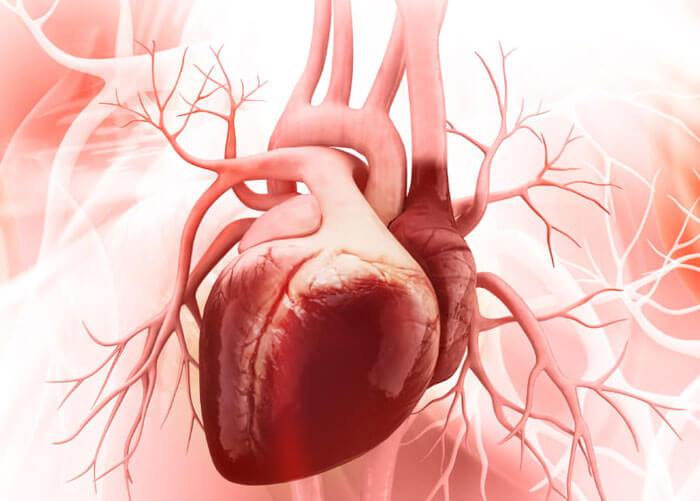
Heart condition patients should prioritise their own health and wellbeing, receiving support from those involved in their care.
Taking care of oneself
If you have heart failure, it is critical that you take good care of yourself.
Maintain a nutritious diet.
A nutritious, well-balanced diet can help improve your symptoms as well as your overall health. A well-balanced diet should comprise the following foods:
Plenty of fruits and vegetables; strive for at least 5 pieces of starchy foods each day, such as potatoes, bread, rice, or pasta.
Some dairy or dairy substitutes.
Certain beans or pulses, fish, eggs, meat, and other protein sources.
Reduced saturated fat, salt, and sugar levels.
You may also be advised to make dietary adjustments to aid with heart failure, such as lowering the quantity of fluid you drink.
Exercise on a regular basis
Physical activity on a regular basis might also enhance your symptoms and overall health. If you have heart failure, you should be provided with a cardiac rehabilitation course that is centred on exercise, education, and emotional support. They are often administered in hospitals or community clinics by teams of nurses, physiotherapists, occupational therapists, and exercise specialists. Before you begin, you will be evaluated to see how much activity you can safely perform. A workout plan may then be created just for you. The education component of the plan will provide you with knowledge on healthy eating and practical techniques to lower the risk of additional heart disease.
Quit smoking
If you smoke, quitting can improve your general health and lower your chance of several other health issues. If you believe you will need assistance quitting smoking, consult Dr. Sudheer for stop-smoking service. They can offer assistance and, if required, prescribe smoking cessation medications.
Reduce your alcohol consumption
If you have heart failure, you may normally continue to consume alcohol, but you should not exceed the suggested limit of 14 alcohol units per week. If your heart failure is directly due to alcohol use, you may be recommended to quit drinking altogether.
Obtain a vaccination
Heart failure can place a burden on your body and make you more susceptible to infections. Everyone with heart failure should receive an annual flu vaccine as well as a one-time pneumococcal immunisation. These immunisations are available at your doctor's office or a local drugstore that provides a vaccination service.
Take care of your mental wellness
It's natural to feel sad, angry, anxious, lonely, or puzzled if you've been diagnosed with a heart condition or have had a heart attack. These symptoms are normally transient and will pass as you adjust to life with a heart problem. It is critical to understand that you are not alone and that there are several options available to assist you in caring for your emotional and mental well-being. Tell someone and seek help if you are concerned about your thoughts or feelings. This might be your doctor, another healthcare provider, a family member, or a friend.
Cardiac rehabilitation
Cardiac rehabilitation programmes will also assist you in developing new heart-healthy behaviours, controlling your risk factors, and coping with the obstacles of transitioning to life after a heart attack or heart surgery. A programme may help you quit smoking, manage illnesses such as diabetes, follow a heart-healthy eating plan, reduce weight, and manage stress, depending on your requirements.
To learn more about cardiac rehabilitation programmes, contact Dr. Sudheer.
FAQs
A chronic heart condition means a long-term issue that requires ongoing care and monitoring. It may include conditions like heart failure or coronary artery disease, where lifestyle changes, medications, and regular follow-ups are needed to manage symptoms and prevent complications.
Consistent habits play a key role in managing heart conditions. Following a healthy diet, staying physically active within limits, taking medications on time, and attending regular checkups can help maintain stability and improve quality of life.
Yes, but it should be done under medical guidance. Doctors often recommend supervised programs like cardiac rehabilitation, which include safe exercises, education, and support tailored to your heart condition.
Small but consistent changes can make a big difference. Quitting smoking, limiting alcohol, managing stress, eating a balanced diet, and maintaining a healthy weight all help reduce strain on the heart.
Emotional health is closely linked to heart health. Stress, anxiety, or depression can worsen symptoms and recovery. Seeking support from family, doctors, or counselors can improve both mental well-being and heart health.
Regular checkups help track your heart function and adjust treatment when needed. They allow early detection of changes or complications, ensuring timely care and better long-term outcomes..