
Understanding Cholesterol: The Good, The Bad, and The Risky
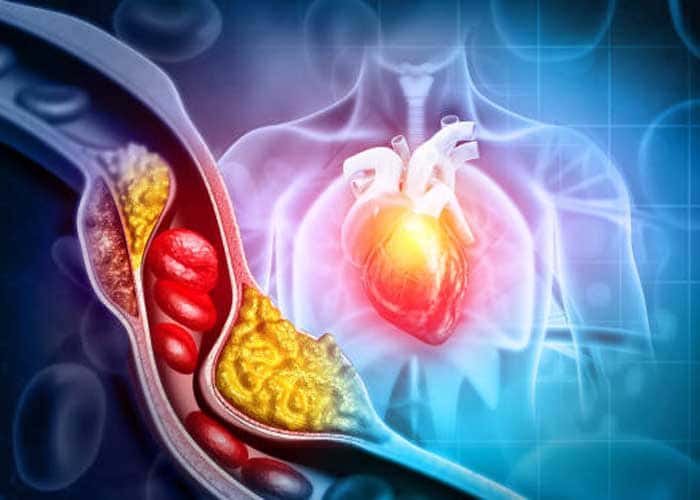
When it comes to your heart health, medical professionals like to talk about cholesterol.
Your cholesterol isn't necessarily bad. To learn about the various types of cholesterol and why your body needs some of it, Let's know what exactly good cholesterol and bad cholesterol really means.
What Is Cholesterol?
Cholesterol is a waxy, fat-like substance in your blood. Your body actually requires cholesterol in order to maintain it healthy. It helps:
- Build cells and hormones
- Make vitamin D
- Create bile acids to digest fats
The majority of the cholesterol required in your body is provided by your liver. The rest is from the food you eat, primarily animal products such as meat, eggs and dairy.
The problem starts when there’s too much cholesterol in your blood. That is when it can build up inside your blood vessels, increasing the risk of heart disease and stroke.
Types of Cholesterol
There are two types of cholesterol that you would see in your blood test:
- LDL which is low density lipoprotein also called as bad cholesterol.
- HDL which is high density lipoprotein also called as good cholesterol.
Let’s look at what makes one good and the other bad.
LDL
This carries cholesterol from your liver to your arteries.
If you have too much LDL, it sticks to your artery walls, forming a thick, hard deposit that blocks blood flow.
In future, this leads to:
- Heart attack which is caused when an artery is blocked by cholesterol, blood flow is stopped to the heart.
- Stroke. when blood flow to the brain is interrupted, it is called a stroke.
- Peripheral artery disease which is also called PAD which is caused by cholesterol stored in the arteries of your legs or arms.
Think of LDL like a delivery truck that keeps dumping too much cholesterol at the wrong place.
Your LDL should usually be less than 100 mg/dL.
If it is above 130 mg/dL, it is considered high and risky.
HDL
This is called good cholesterol because it helps in removing LDL from your blood.
It carries excess cholesterol back to the liver, where it is broken down and is removed from the body.
This process helps to prevent storage of cholesterol in your arteries. It also helps in cleaning the extra fat and keeping your blood vessels clear.
Your HDL should be 60 mg/dL or higher.
If it is below 40 mg/dL in men or 50 mg/dL in women, it increases risk of heart disease.
Triglycerides
There is another type of fat in your blood called triglycerides.
They store the extra calories but do not burn them. When their level increases, risk of getting heart diseases increases too, most importantly when there is high LDL and low HDL in the body.
Less than 150 mg/dL of triglycerides is considered normal.
Anything above 200 mg/dL is known as risky.
If LDL is the bad guy and HDL is the good guy, triglycerides are the cunning ones that makes things worse silently.
What Causes High Cholesterol?
Many factors lead to an increase and decrease in your cholesterol levels. You can control few factors and you cannot control few.
- Unhealthy diet: Eating too much of foods like butter, cheese and red meat or fried and processed food raises your LDL levels.
- Lack of exercise: Exercise helps in increasing HDL and lowers LDL. A lazy person will have the opposite effect.
- Smoking and alcohol: Smoking reduces HDL levels, while excess alcohol increases triglycerides.
- Obesity: Being Overweight increases LDL and triglycerides and lowers HDL.
- Family: Sometimes, high cholesterol runs in families. This is called familial hypercholesterolemia.
- Age and gender: As you grow old, your cholesterol naturally rises. Women usually have higher HDL levels than men until menopause. After that, their LDL may increase.
Symptoms of High Cholesterol
The sad part is high cholesterol has no symptoms. You will not know it because it doesn’t cause any pain. That’s why it is often called a silent killer. The first sign could be a heart attack or stroke.
To know about your cholesterol levels, you need to get a blood test which is usually called as Lipid Profile.
Doctors usually recommend getting your cholesterol checked.
- Every 4-6 years if you’re healthy
- If you have diabetes, high blood pressure or a family history of heart disease
How to Control Cholesterol Naturally
The good news is you can manage cholesterol through simple lifestyle changes. Here’s how:
- Eat healthy food
- Exercise regularly
- Quit smoking
- Manage stress
- Maintain a healthy weight
- Limit alcohol
When Lifestyle Isn’t Enough
Sometimes, even with a good diet and exercise, cholesterol levels stay high due to genetics or other health conditions.
In such cases, your doctor may prescribe cholesterol lowering medicines. Always take medicines as prescribed. Stopping suddenly can cause your cholesterol to rise again.
The Risk of Ignoring High Cholesterol
If you don’t control high cholesterol, it continues to store inside your arteries. This can cause,
- Atherosclerosis which is hardening and narrowing of arteries
- Heart attack
- Stroke
- Kidney problem which is caused due to reduced blood supply
- Peripheral artery disease which causes pain and numbness in limbs
That is why doctors recommend regular checkups. Prevention is always easier than cure.
The Bottom Line
It’s not about removing cholesterol from your life , it’s about keeping the right kind in the right amount.
Your heart will thank you for it.
FAQs
Good cholesterol (HDL) helps remove excess fat from your blood, while bad cholesterol (LDL) builds up in arteries and blocks blood flow. High LDL and low HDL levels increase the risk of heart disease and stroke.
LDL should ideally be below 100 mg/dL, while HDL should be 60 mg/dL or higher. Triglycerides should stay under 150 mg/dL. Higher levels increase the risk of heart problems and require lifestyle changes or medical advice.
High cholesterol is commonly caused by unhealthy diet, lack of exercise, smoking, obesity and genetics. Conditions like diabetes and increasing age can also affect cholesterol levels, making regular monitoring important.
No, high cholesterol usually has no symptoms. It is often called a silent condition because many people only discover it after a heart attack or stroke. A blood test (lipid profile) is the only way to detect it early.
You can lower cholesterol by eating a healthy diet, exercising regularly, quitting smoking and maintaining a healthy weight. Reducing stress and limiting alcohol intake also help improve overall heart health.
You should consult a doctor if your cholesterol levels are high, or if you have diabetes, high blood pressure or a family history of heart disease. Regular checkups help prevent complications and guide proper treatment.
Read Latest Blogs

Heart failure in women
Lifestyle changes to improve heart failure prognosis

Managing fluid retention in heart failure
Link between sleep apnea and heart failure
Cardiologist in Hyderabad