
What is TAVI and Why It's a Game-Changer for Heart Valve Replacement?
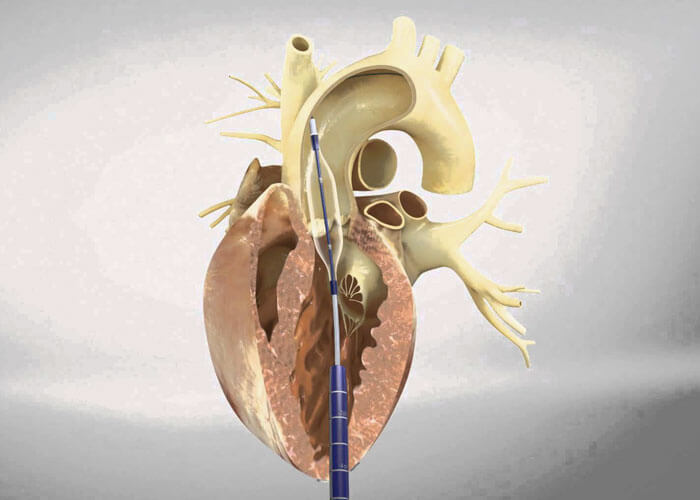
Cardiovascular health is one area that most of us seldom pay much attention to unless something happens to us. Valves are essential elements for the functioning of our hearts. When these valves are narrowed or cannot fully open – a condition referred to as aortic stenosis, it becomes dangerous. Traditionally, treating this condition involved open-heart surgery. Still, thanks to advancements in medical technology, we now have a remarkable alternative: Transcatheter Aortic Valve Implantation, more commonly referred to as TAVI.
Understanding TAVI
Transcatheter Aortic Valve Implantation (TAVI) is a decision in the patient’s irreversible treatment to replace a sick aortic valve with a new one without open heart surgery. The aortic valve is involved in the regulation of blood in the heart through the mechanism of allowing the blood to from the heart into the body main vessel, the aorta. As such, blood circulation is affected and other challenges arise making a intervention necessary once it is involved.
TAVI procedure means intervening and replacing a new valve as if through using imaging techniques with small minimally invasive incisions usually in the groin or chest. This enables the doctors to fit another valve inside the old one and get normal blood circulation. The best doctor for TAVI in Hyderabad will guide you through the procedure.
Why TAVI is a Game-Changer?
Minimally Invasive Approach
The chief benefit of TAVI is that it is less invasive than other treatment methods for patients with heart disease. In contrast to the open surgical procedure, it can be carried out through a less invasive approach, and local anesthesia is frequently used. This means fewer injuries are inflicted on the body, which also translates to fewer follow-ups, fewer days in the hospital, and fast healing periods with the best doctor for TAVI in Hyderabad.
High-risk individuals
Many patients who develop aortic stenosis are either elderly or suffer from other conditions that make surgical aortic valve replacement unwise. For such people, TAVI was an efficient choice because it allowed such individuals to receive the procedure they desired without exerting themselves and dying from the complications that result from the surgery.
Faster Recovery Time
One of the reasons that patients prefer TAVI to surgical aortic valve replacement is that the former is less invasive; it results in shorter recovery periods. Many of the patients can be back to their everyday lifestyles within one to two weeks as opposed to the weeks or even months for those who undergo conventional heart operations. This brings a better quality of life and faster integration into everyday life.
Improved Outcomes
Research has indicated that TAVI results in significant symptomatic and functional changes in affected subjects. The patient usually finds quick improvement in such symptoms as shortness of breath, fatigue, and chest pain right after the procedure. Moreover, TAVI is more helpful in reducing the incidence of complications such as infection and length of hospital stay than surgical aortic valve replacement.
Accessibility
Procedures with TAVI technology are becoming more widely spread and currently can be offered to many more patients. To begin with, it was used for those patients who were too weak to undergo surgery, but now its use is being discussed for patients of many severities, which means that many more people may need and receive this kind of life-saving treatment.
Transcatheter Aortic Valve Implantation (TAVI) changes the implantation of a specific heart valve. It is, therefore, revolutionary in cardiac care circumstances based on factors such as being less invasive, having fewer dangers for dangerous clients, shorter healing periods, enhanced success rates, and the possibility of being carried out more often. With regards to this, procedures such as TAVI will be instrumental in improving patient quality of life as practically every diagnostic and treatment technology advances exponentially.
That is why, if you or someone from your family is diagnosed with heart valve disease, it is highly recommended to talk with a doctor to find out more about the treatment methods and the recently introduced TAVI method. The heart should be at the core of our health, and knowing what would make our heart perform optimally is essential.
FAQs
TAVI is a minimally invasive procedure used to replace a narrowed aortic valve without open-heart surgery. It is usually recommended for people with severe aortic stenosis, especially older adults or those who are high-risk for traditional surgery.
TAVI is preferred in many cases because it avoids major surgery and large incisions. This leads to shorter hospital stays, faster recovery, and less physical strain compared to open-heart valve replacement.
You should consider consulting a specialist if you have symptoms like chest pain, breathlessness, or fatigue linked to valve disease. A cardiologist in Hyderabad can evaluate your condition with tests and guide you on whether TAVI is suitable.
TAVI offers benefits like quicker recovery, reduced complications, and improved quality of life. Many patients notice relief from symptoms such as breathlessness and low energy within a short time after the procedure.
Recovery after TAVI is usually faster than traditional surgery, with many patients resuming daily activities within 1–2 weeks. However, the exact recovery time depends on overall health and following post-procedure care.
Experienced cardiologists in Hyderabad, especially in advanced cardiac centers, offer TAVI evaluation and treatment. It’s important to choose a doctor with expertise in minimally invasive valve procedures and access to proper diagnostic facilities.