Why Women Experience Heart Disease Differently?

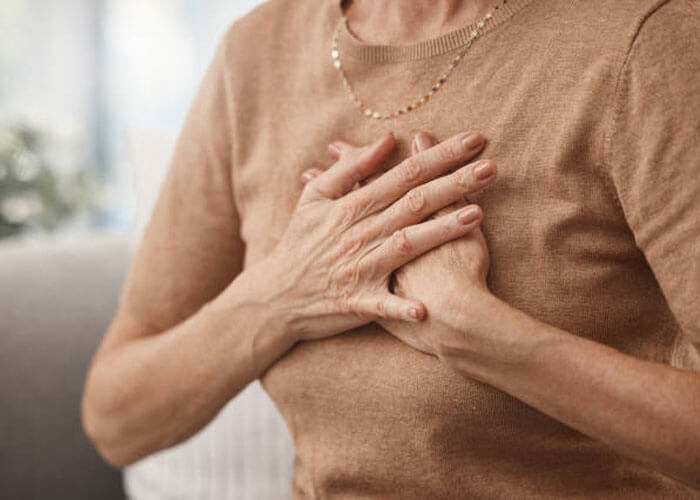
The story often begins the same way. someone is having a busy day with meetings, kids, chores, deadliness and then a strange tightness starts in the chest. It is not that painful but it would make you uncomfortable. They might be feeling breathlessness.
Heart disease in women is not that easily detectable. chest pain, it may start as tiredness, a bit of acidity, breathlessness or a feeling of stress they can’t explain. These symptoms are ignored usually because they are very normal.
Lets explore why women experience heart disease differently and how the symptoms vary and what signs need immediate attention.
Why Women’s Hearts Tell a Different Story
Imagine two people walking into an emergency room. One reports severe chest pain, spreading to the left arm, the typical heart attack sign that doctors immediately identify.
The other reports tiredness, nausea and back pain. She says she’s been feeling good from few days but thought it was acidity or because of overwork. Her ECG may even look normal.
Both could be having a heart attack, but the second case is more likely to be misinterpreted.
There are biological, hormonal, social and psychological reasons which is why heart disease in women hits different.
- Hormones influence heart risk. Before Menopause, Oestrogen helps to protect the heart, by reducing the storage of fat in the arteries. But after Menopause, risk of heart disease increases.
- Women’s arteries behave differently. When it comes to men, usually main heart arteries have problems. But for women, the smaller blood vessels gets blocked. These tiny vessels do not even show up clearly in regular tests which is why it is very hard to detect the heart disease.
- Women handle more Stress. Women deal with a lot of stress like caring for others, managing the home, balancing work and meeting society’s expectations. All this constant stress affects the body. It increases stress hormones, increases inflammation, disturbs sleep, and slowly puts stress on the heart.
- Symptoms are different. Women’s heart attack signs are not detectable. Less pain, more tiredness.
- Only in recent decades, women were studied more specifically in cardiology research.
Women as young as 30 face rising heart risks due to lifestyle changes, inactive work, poor sleep, PCOS related metabolic issues, undiagnosed thyroid problems, autoimmune conditions, emotional stress and smoking or alcohol use.
Women also experience anxiety or depression differently and both conditions can be similar to heart attack symptoms. That’s why emotional health is deeply tied to heart disease in women.
If someone experiences symptoms that feel unusual,
- Sit down and take slow breaths
- Notice if the discomfort increases
- Check if symptoms are growing to the back, jaw or arms
- If symptoms exist for more than a few minutes, seek medical help
Screening Tests That Every Woman Should Consider
Cardiology isn't only for people with symptoms. Preventive care is mandatory for everyone.
These tests help you through it:
- Lipid profile
- Blood sugar tests
- Blood pressure monitoring
- ECG
- Echocardiogram
- TMT
- High sensitivity CRP
Women spend so much time taking care of others that they forget to look after themselves. Protecting the heart starts when they begin giving their own health a little more space and attention.
To understand your heart health better, book an appointment with Dr. Sudheer Koganti, one of the leading cardiologists in Hyderabad known for treating heart conditions with a personalised approach.
FAQs
Women experience heart disease differently due to hormonal, biological and lifestyle factors. Hormones like estrogen offer some protection before menopause, while smaller blood vessels and different symptom patterns make diagnosis more challenging compared to men.
Early symptoms in women are often subtle and may include fatigue, breathlessness, nausea, back pain or a feeling of discomfort rather than severe chest pain. These symptoms are often mistaken for stress, acidity or overwork.
Heart disease in women is often missed because symptoms are less typical and may not show clearly in routine tests like ECG. Conditions affecting smaller blood vessels can also be harder to detect, leading to delayed diagnosis.
Yes, the risk increases after menopause because estrogen levels drop. This change can lead to higher cholesterol levels and increased fat buildup in arteries, raising the chances of heart disease over time.
Chronic stress can raise blood pressure, increase inflammation and disturb sleep, all of which affect heart health. Women often manage multiple responsibilities, and long-term stress can silently increase the risk of heart disease.
Common screening tests include blood pressure checks, lipid profile, blood sugar tests, ECG and echocardiogram. These tests help detect early risk factors and support preventive care, even if there are no visible symptoms.